


Should You Renovate Before Moving In?
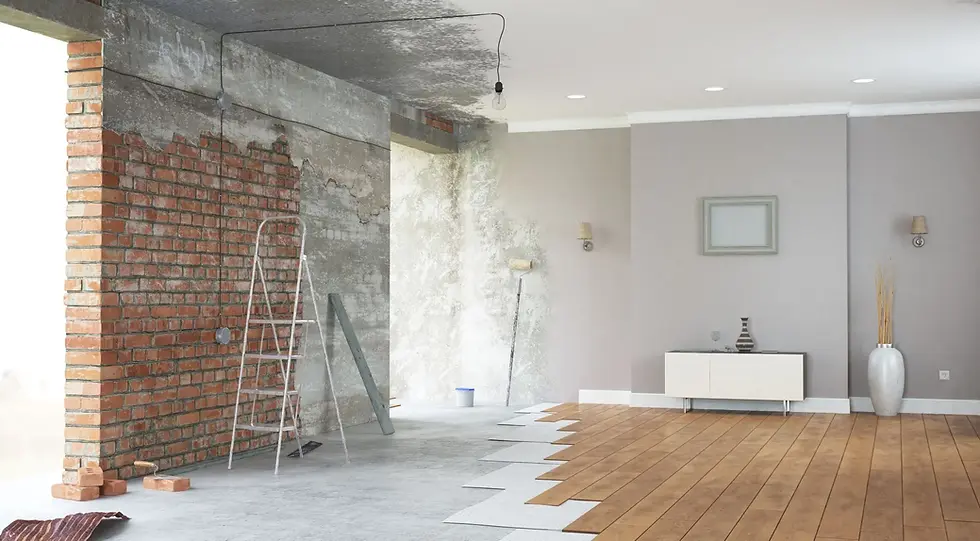
Renovating before moving into a home is worth considering when the planned work affects essential living spaces, requires extensive demolition, or would become significantly more disruptive after occupancy. However, the right decision depends on the property's condition, the renovation scope, and the time available between possession and moving in. Some improvements should be completed before the household settles into the property, while others benefit from understanding how the home functions during everyday use. Lambert Brothers Construction helps homeowners establish renovation priorities based on their intended improvements and available construction window.
When a Pre-Move Renovation Makes the Most Sense
A pre-move renovation makes the most sense when the proposed work would substantially interfere with normal household activities or require extensive preparation of occupied rooms. Completing this work while the property is empty gives contractors access to affected areas without accommodating furniture, household belongings, and daily routines.
However, the benefits of an empty property should be weighed against the actual construction requirements. Projects that affect safe occupancy or essential facilities deserve priority, while improvements that primarily reduce inconvenience may be completed after moving in.
When the Home Has Layout or Functional Problems
A pre-move renovation is worth considering when the existing layout prevents the household from using important areas of the home effectively. An impractical kitchen arrangement, inadequate bathroom access, or poorly positioned interior walls may require construction that affects adjacent rooms and circulation routes.
Completing these changes before occupancy allows homeowners to arrange furniture and belongings around the intended configuration rather than a layout that will soon be replaced. This is particularly relevant when the proposed work affects permanent features such as walls, doorways, cabinetry, or plumbing locations.
However, layout changes should address an identifiable functional problem. If the existing arrangement is unfamiliar but remains practical, living in the home first may help homeowners determine whether the proposed changes are necessary.
When Work Would Be Difficult to Live Through
Renovations involving substantial demolition, dust, noise, or restricted access are often easier to complete before occupancy. Removing flooring throughout the main level, opening walls, or replacing major interior finishes may temporarily make essential areas unsuitable for normal use.
Living through this work may require moving furniture between rooms, protecting belongings, and accommodating construction activity throughout the day. These additional requirements can complicate access for contractors and increase the preparation needed before each stage of construction.
An unoccupied property allows affected areas to remain accessible throughout the renovation. Homeowners can also avoid exposing their belongings to construction dust or arranging temporary access around unfinished rooms.
When Multiple Rooms Need Coordinated Changes
Renovating several connected rooms before moving in may reduce the need to disturb completed work during later projects. For example, changes to an open-concept kitchen and living area may involve continuous flooring, wall modifications, and electrical work across both spaces.
Coordinating these improvements allows the construction sequence to account for shared materials and building systems. Homeowners can avoid completing finishes in one room only to remove or damage them during subsequent work in an adjacent area.
This approach is appropriate when the proposed changes are already defined and the rooms share construction requirements. Independent improvements that do not affect adjoining areas can often be completed separately without creating significant additional work.
Decide What Should Be Finished Before Possession
Before taking possession, homeowners should decide which renovations need to be completed before moving in. This distinction matters because purchasing a property does not automatically provide permission to begin construction before the agreed possession date. Earlier access, inspections, or renovation work must be arranged with the current owner's authorization.
For most buyers, the practical decision is which improvements should be completed after possession but before furniture and household belongings are moved into the property. The following table identifies renovation work that benefits from an empty home and circumstances where postponing the project may be reasonable.
Renovation Work | Why It Is Easier Before Moving In | When It Can Be Phased Later |
Whole-home flooring replacement | Contractors have uninterrupted access to the floors without relocating furniture between rooms. | Individual rooms can be completed separately when flooring transitions and furniture relocation are manageable. |
Interior painting | Walls, ceilings, and trim are accessible without moving furniture or protecting household belongings. | Individual rooms can be painted later when the work will not significantly interfere with daily activities. |
Kitchen renovation | The household does not need temporary cooking and food storage arrangements while essential kitchen facilities are unavailable. | Selected cabinet, countertop, or fixture updates can wait when the existing kitchen remains functional. |
Bathroom renovation | Demolition and plumbing work can proceed without disrupting the household's access to essential bathroom fixtures. | Work can be scheduled after occupancy when another functional bathroom remains available. |
Electrical, plumbing, and layout changes | Contractors have access to affected walls, floors, and rooms without having to maintain normal household use of those spaces. | Localized improvements can wait when existing systems remain suitable and the work will not interfere with completed finishes. |
Custom cabinetry and storage | Built-ins can be installed before furniture is positioned around the finished space. | Storage requirements may be easier to establish after homeowners understand how they use each room. |
A realistic pre-move scope should distinguish between work that must be completed for safe occupancy, improvements that would create substantial disruption after moving in, and independent projects that can be postponed. These priorities help homeowners avoid committing to more construction than the available renovation window can accommodate.
Projects That Are Usually Best Completed Before Moving In
Projects that require clearing large areas, removing existing finishes, or temporarily disconnecting essential services are strong candidates for pre-move renovation. The extent of the work determines whether an empty property is necessary or simply more convenient.
A limited fixture replacement may be manageable after occupancy, while extensive construction affecting several essential rooms may require a different move-in arrangement.
Flooring, Painting, and Dust-Heavy Work
Replacing flooring throughout a home is often more practical before furniture is moved into the property. Contractors need access to the floor for removal, subfloor preparation, installation, and finishing. Large furniture and household belongings can obstruct this work and require temporary relocation.
Interior painting also benefits from an empty property, particularly when walls, ceilings, doors, and trim are being refinished throughout several rooms. Preparing and painting these surfaces before occupancy reduces the amount of furniture protection and room clearing required.
Dust-heavy work, including drywall removal, sanding, and extensive surface preparation, may affect areas beyond the immediate construction zone. Smaller projects may be manageable after occupancy when the work area can be isolated and suitable dust-control measures are maintained. However, construction affecting several rooms or shared ventilation pathways may require additional precautions to prevent dust from entering occupied areas.
Homeowners should account for any required drying, curing, ventilation, and final cleaning before scheduling furniture delivery. A newly installed floor or freshly painted surface may appear complete before it is ready for normal use.
Kitchen and Bathroom Renovations
A complete kitchen renovation can temporarily eliminate access to cooking facilities, food storage, and running water in the kitchen. Demolition, cabinet installation, countertop fabrication, plumbing, and electrical work may also prevent the room from being used during different stages of construction.
Moving in during a kitchen renovation may be practical when homeowners have a suitable area for temporary food preparation, safe food storage, and access to running water. However, alternative cooking arrangements must be appropriate for the available space, and the household should establish how essential kitchen functions will be maintained throughout construction.
Bathroom renovations create similar concerns when demolition or plumbing work makes essential fixtures unavailable. A complete bathroom renovation may involve removing the toilet, shower, bathtub, vanity, and surrounding finishes before rebuilding the space.
Moving in during a bathroom renovation may be reasonable when another fully functional bathroom is available and the construction area can be safely separated from occupied rooms. However, renovating the home's only bathroom before occupancy is generally more practical because the household would otherwise need alternative washing and toilet facilities.
Limited kitchen or bathroom updates do not necessarily require the property to remain unoccupied. Replacing selected fixtures, cabinetry, or finishes may be manageable when essential facilities remain available or any interruption can be accommodated. The decision should reflect the actual period of disruption rather than the renovation category alone.
Electrical, Plumbing, and Layout Changes
Major electrical, plumbing, and layout modifications are easier to coordinate before occupancy when the work requires opening walls, removing flooring, or restricting access to several rooms.
Electrical and plumbing modifications may require temporary service interruptions. Completing extensive work before moving in avoids scheduling these interruptions around normal household activities, although the exact requirements depend on the existing systems and proposed changes.
Layout changes involving wall removal or reconstruction may affect several adjoining spaces. Completing this work before installing permanent finishes reduces the risk of having to remove newly completed materials to accommodate further construction.
However, not every electrical or plumbing improvement requires an empty home. Replacing accessible fixtures or completing localized work may be manageable after occupancy when essential services remain available and the construction area can be safely isolated.
What Can Be Delayed Until After You Move In
Some renovation decisions benefit from understanding how the home functions during everyday use. When existing spaces are safe, functional, and suitable for occupancy, postponing nonessential improvements may help homeowners avoid committing to changes that do not address their actual needs. The key distinction is whether delaying a project will create additional construction work or interfere with improvements that have already been completed.
Storage Improvements and Custom Built-Ins
Storage requirements are not always apparent before moving into a property. Existing closets may accommodate household belongings adequately, while other areas may require additional shelving, cabinetry, or organization once the space is in regular use.
Homeowners considering custom cabinetry should establish their storage requirements and intended furniture layout before finalizing cabinet dimensions and placement. This is particularly relevant for home offices, entryways, and living rooms where storage must accommodate specific belongings or equipment.
Custom built-ins can generally be delayed when their installation will not interfere with planned flooring, electrical work, or other permanent finishes. However, cabinetry that requires concealed wiring, structural support, or coordinated wall modifications should be accounted for before those areas are finished.
Cosmetic Updates With Limited Disruption
Minor painting projects, hardware replacements, lighting updates, and selected fixture improvements can often wait until after occupancy. These projects generally affect smaller areas and may be completed without substantially interrupting access to essential rooms.
Postponing cosmetic improvements also allows homeowners to assess existing finishes under different lighting conditions and alongside their furniture. A paint colour or decorative feature that appeared unsuitable in an empty property may work differently once the room is furnished.
However, homeowners should avoid delaying minor improvements that would require disturbing newly completed construction. For example, painting a room before installing permanent cabinetry may be more practical when the cabinets would otherwise obstruct access to the walls.
Projects That Require Living in the Space First
Some renovation decisions depend on how the household uses the property rather than on visible defects or obvious layout limitations. The need for additional basement living space, a dedicated home office, or changes to an existing family room may become clearer after occupancy.
For example, homeowners considering a basement renovation may benefit from understanding whether the space is needed for work, recreation, guest accommodation, or additional storage. These uses involve different requirements for layout, lighting, electrical access, and storage.
Before committing to the renovation, homeowners should establish the room's intended function, identify the features required to support that use, and assess whether the existing space accommodates those requirements. This provides a practical basis for defining the renovation rather than making permanent changes based on assumptions about future use.
Waiting is appropriate when the existing space remains functional and there is no immediate construction requirement. However, homeowners should not postpone necessary repairs or improvements that address unsafe conditions simply to gain more experience living in the property.
Build a Renovation Plan Around Your Possession Date
A pre-move renovation should be planned backward from the intended occupancy date, with the possession date establishing when construction access becomes available. Homeowners should confirm the time available between receiving possession and leaving their current residence, including any flexibility in moving arrangements.
Before committing to a renovation scope, homeowners should obtain a project-specific construction schedule and compare it against the available window. The schedule should account for material delivery, necessary trade work, required inspections, and the construction activities that must be completed before the property is suitable for occupancy.
Design decisions and material selections should begin before possession whenever sufficient property information is available. Homeowners can identify preferred layouts, fixtures, cabinetry, flooring, and finishes while establishing which products require advance ordering.
However, final dimensions, concealed conditions, and installation compatibility may require on-site verification before certain materials can be ordered or construction details finalized. Homeowners should distinguish between selections that can be confirmed from existing property information and those that depend on measurements or conditions that have not yet been verified.
Even a well-planned renovation may encounter delays that affect the intended move-in date. Common scheduling risks include:
Material availability: Cabinets, countertops, specialty fixtures, and other selected products may have delivery dates that do not align with the available construction window.
Unexpected site conditions: Demolition may reveal water damage, unsuitable wiring, or other concealed conditions that require additional work.
Permit and inspection requirements: Work requiring approvals or inspections must account for the relevant scheduling and completion requirements.
Coordinated trade work: Delays in plumbing, electrical, cabinetry, or finishing work may affect subsequent installation stages.
Final completion requirements: Cleaning, service reconnection, required inspections, and material curing may need to be completed before the affected rooms are ready for use.
When the available construction window is shorter than the anticipated renovation schedule, homeowners should first establish which work is necessary for safe occupancy and access to essential facilities. Projects that would require substantial clearing or restricted access after moving in should receive the next level of consideration. Independent improvements can be scheduled separately when postponing them will not interfere with completed construction.
Moving into the property before construction is complete may be possible when occupied areas are safe, essential services remain available, and work zones can be separated appropriately. However, extensive construction affecting the only kitchen, bathroom, or main access routes may make occupancy impractical until the necessary work is finished.
If the renovation extends beyond the intended move-in date, homeowners may need alternative accommodation or temporary storage for furniture and household belongings. These arrangements should be considered before the move rather than assuming that unfinished areas will remain suitable for everyday use.
The final occupancy decision should reflect the condition of the property and the construction activities still underway. Homeowners should confirm which rooms and essential facilities will be available before committing to furniture deliveries or ending their existing housing arrangements.
Coordinate a Pre-Move Home Renovation With Lambert Brothers Construction
Homeowners planning a renovation before moving into a newly purchased property should prepare their possession date, intended move-in date, renovation priorities, and available property information before discussing the proposed work. Existing floor plans, photographs, and details about the property's condition can help establish which improvements require further assessment.
Lambert Brothers Construction provides residential renovation services for homeowners considering improvements to kitchens, bathrooms, basements, and other living spaces. Homeowners can discuss their proposed renovation scope, construction requirements, and available pre-move window with our team before establishing the next steps for their project.


Comments